


Helping Children Build Positive, Healthy Friendships
Friendships play a major role in a child’s emotional well-being. Through friendships, children learn how to communicate, solve problems, share experiences, and develop empathy. Healthy friendships can boost confidence, reduce feelings of loneliness, and create a strong sense of belonging.
As parents, we can help children build meaningful relationships by teaching them what healthy friendships look like and giving them tools to navigate social situations with confidence. This can be particularly helpful for children who struggle to make friends, or who have had unhealthy friendship experiences that involve bullying, peer pressure, or conflict.

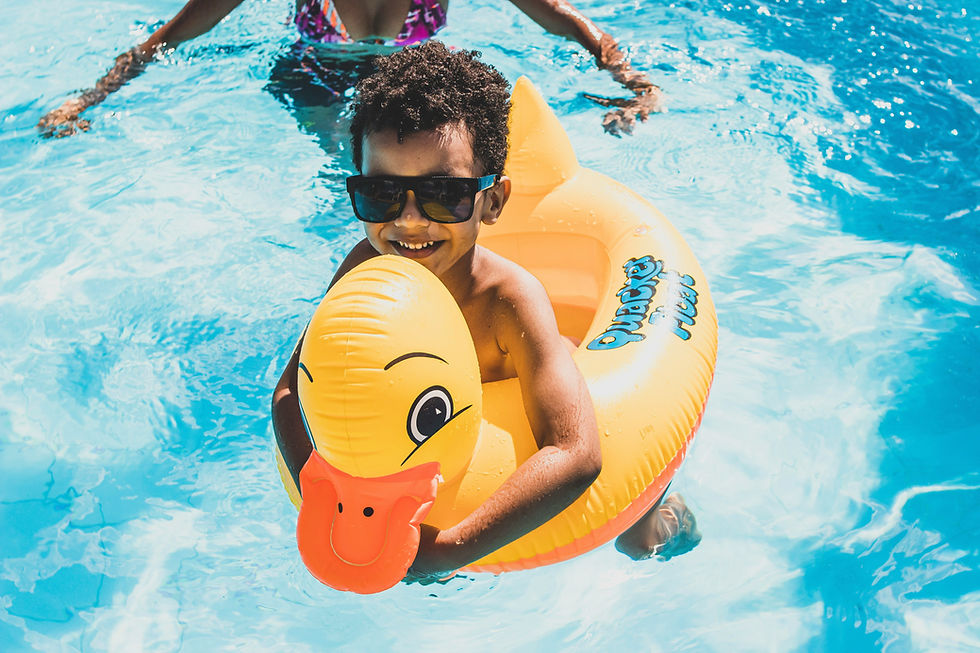
Kids are playing at the park
Why Friendships Matter
Positive friendships help children:
Develop communication skills
Learn cooperation and teamwork
Build empathy and emotional intelligence
Increase self-esteem
Feel supported during stressful situations
Improve school engagement and happiness
Children who have healthy peer relationships often feel more confident and secure knowing they have people they can trust and enjoy spending time with.
What Healthy Friendships Look Like
Safe: Teach children that real friends should make them feel.
Respected: A good friend does not hurt them physically or emotionally.
Included: Healthy friendships involve kindness and making others feel welcome.
Supported: Friends celebrate each other’s successes and offer comfort during difficult times.
Friendship Questions to ask a Child:
“How do you feel when you spend time with that friend?”
“Do your friends treat you kindly?”
“Can you be yourself around them?”
These questions help children reflect on the quality of their relationships.
Signs of Unhealthy Friendships
Parents should watch for friendships that involve:
Constant arguments
Controlling behavior
Exclusion from group activities
Bullying or teasing
Pressure to break rules
Feeling anxious after spending time together
If your child frequently feels hurt, left out, or afraid of losing a friend, it may be a good time to discuss healthier relationship choices.
How Parents Can Help Children Make Friends
Teach Social Skills
Practice important friendship skills at home:
Taking turns in conversations
Listening carefully
Sharing
Showing kindness
Managing disagreements respectfully
Role-playing can help younger children feel more prepared in social situations.
Encourage Activities and Interests
Sports teams, clubs, church groups, art classes, and community events help children meet peers with similar interests.
When children bond over shared hobbies, friendships often develop more naturally.
Model Healthy Relationships
Children learn by watching adults. Let them see healthy friendships in your own life.
Show them how you:
Communicate respectfully
Set boundaries
Resolve disagreements calmly
Support friends during difficult times
Final Thoughts
Healthy friendships help children feel connected, valued, and understood. While parents cannot choose friends for their children, they can provide guidance that helps them recognize healthy relationships and build strong social skills.



Comments