


Helping Children Make Healthy Choices
The New Year is often a time of setting new goals. Aspirations to eat healthier and be more active, are often desired, but not always easy to achieve. For children of all ages, ambitions of healthy eating and physical activity are also important; however, children are less likely to implement healthy habits on their own. Positive role-modeling from parents and caregivers plays an important part in shaping children's habits, making changes in eating and exercise easier when practiced as a family.
Cultivating healthy habits, such as physical activity and good nutrition, starts at home. Parents can help children eat healthier and exercise by modeling good habits, making healthy foods visible and accessible, involving them in meal prep, and implementing activities that are fun for the whole family.

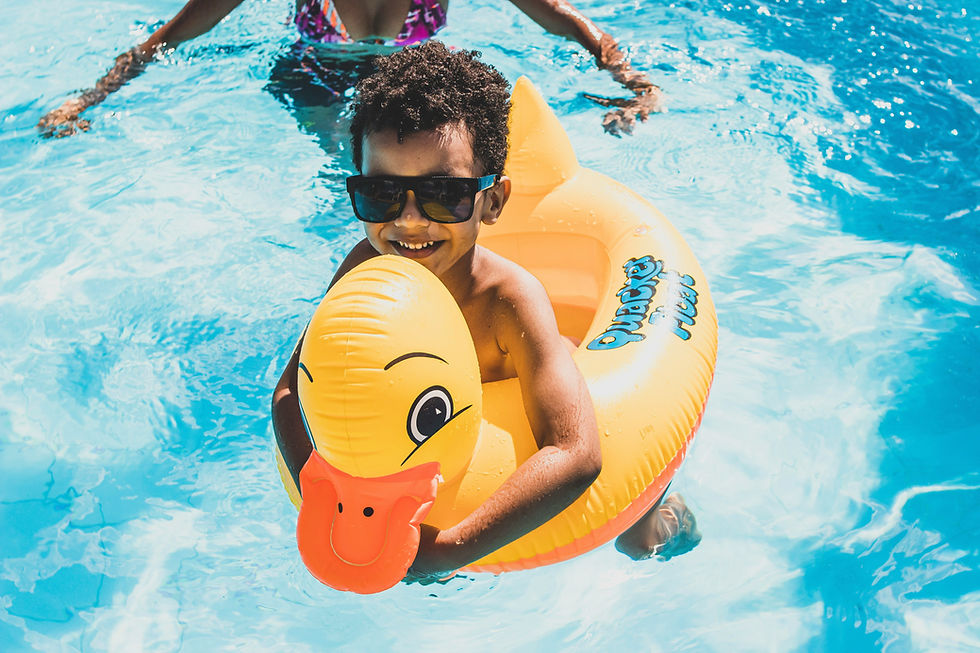
Photo: Unsplash
Tips for Promoting Healthy Eating
Be a Role Model: Eat healthy foods and be active yourself; children learn by watching you. Children often imitate adult behaviors; if they see adults enjoying fruits and vegetables, they are more likely to do the same.
Involve Children: Let kids participate in meal planning, grocery shopping, and food preparation to build an interest in making healthy choices. Picking out a new fruit or vegetable can make them more invested in trying it.
Manage Accessibility: Keep fruits and vegetables visible (fruit bowl, front of fridge) and avoid purchasing less nutritious snacks, such as high-calorie junk foods or sugary drinks to reduce temptation.
Establish a Routine: Serve meals and snacks at predictable times to minimize unhealthy snacking. Family mealtimes without screens (TV, tablets, phones) encourage mindful eating and increased family connection and bonding.
Make Food Fun: Try new foods, offer water instead of sugary drinks, and serve natural, whole grains, and plenty of produce instead of consuming foods and beverages that are low in salt, sugar, and saturated fat.
Make it a Teaching Moment: Children may question new changes and routines. Prepare to answer questions about why healthy choices are good (energy, strong teeth) while avoiding labeling foods as "good" or "bad".
Parents and caregiver also can have a positive impact on a child’s physical activity. Even if not an athlete in a particular activity or sport, children can be encouraged by parents who are active in physical activity and who show children how much fun being active can be. Parents can influence simple every day behaviors and set a good example by going for a walk or riding a bike instead of watching TV, playing a video game, or surfing the internet.
Tips for Encouraging Physical Activity
Emphasize Fun Over Skill: Not all children enjoy competitive sports; however, active play such as running, dancing, swimming, or riding bikes can be encouraged.
Limit Screen Time: Set limits on TV, tablets, video games and other sedentary behaviors. Use the freed-up time for active play instead of sitting around.
Make it a Family Affair: Go for walks, bike rides, or hikes together. Plan active outings like trips to local parks or neighborhood scavenger hunts.
Integrate Movement into Chores: Involve children in physically active tasks like gardening, washing the car, or walking pets.
Enjoy the Outdoors: Play outside, use playgrounds, join teams (soccer, baseball), or try indoor activities like trampoline parks.
Be Consistent: Regular activity, even simple games like hide-and-seek, can help bolster physical movement.
As parents implement making healthier choices, it’s important to also discuss why these changes are important. Healthy eating and regular activity for kids has many positive benefits to include:
Building strong bodies (bones, muscles, heart),
Maintaining a healthy weight
Having a sharper mind (focus, learning),
Healthier emotions (less anxiety, better self-esteem)
Reduces chances of chronic diseases (diabetes and heart issues)
Boosts immunity
Improves sleep
Develops lifelong healthy habits
Parents and other caregivers play an important role in guiding children to develop lifestyle habits that will support their good health for years to come. Helping children develop healthy habits requires a combination of positive role-modeling and consistent routines. To help changes prolong for way after the new year, practice healthy lifestyle habits—together and have fun!
The Skills for Kids Sports Series was written by my husband and son Bryan Boyd and Bryan Boyd Jr. These are perfect books to encourage healthy habits, physical activity and help children learn the fundamentals of sports.


Comments